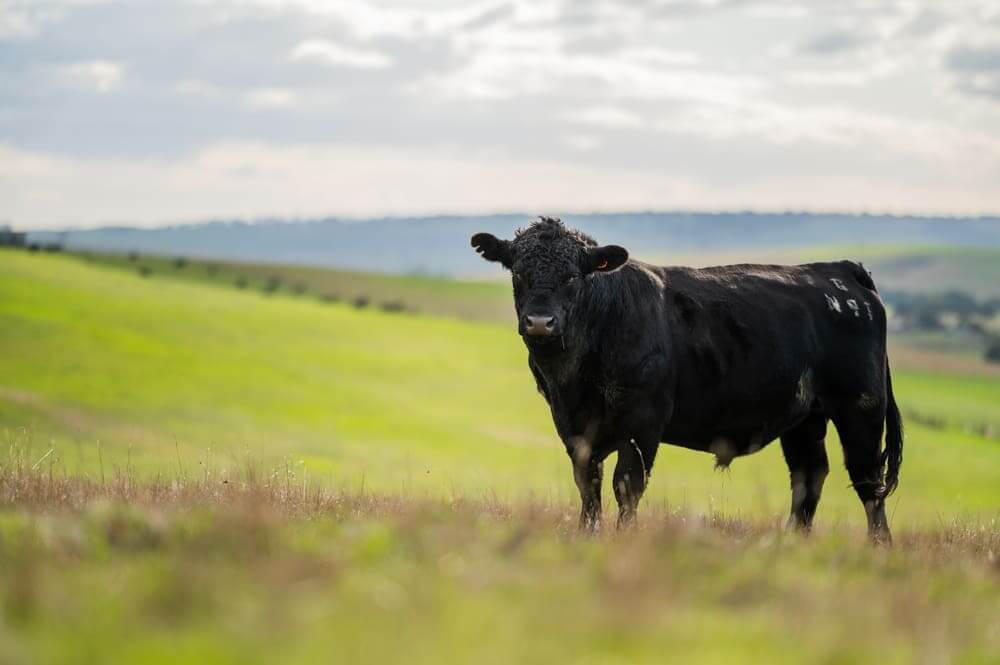
Tajima wagyu is a specific bloodline of Japanese Black cattle prized for its exceptional tenderness, buttery flavor, and superior marbling. The Tajima bloodline is the foundation for some of the world’s most famous wagyu beef, including genuine Kobe beef. While it originated in Japan’s Hyogo Prefecture, Australian and American wagyu programs also use Tajima genetics to produce high-quality beef.
Types of Tajima Wagyu
- Japanese Tajima Wagyu: The original and highest-grade Tajima cattle are born, raised, and slaughtered in Japan’s Hyogo Prefecture. The extremely high standards for grading, including excellent marbling, mean only a few thousand cows are certified as Kobe beef each year, making it exceedingly rare.
- Australian Tajima Wagyu: This premium beef comes from cattle raised on Australian pastures using the Tajima bloodline. Tajima Australia, for example, uses Australia’s leading wagyu sires and adheres to strict animal welfare and feeding standards.
- American Tajima Wagyu: Some American wagyu ranches breed Tajima cattle for their signature marbling. This allows consumers to purchase high-quality wagyu with Tajima genetics from a domestic producer.
Tajima wagyu’s rich marbling requires special care when cooking. Here are some popular methods:
- Pan-Seared: Use a cast-iron skillet and the meat’s own rendered fat to create a perfect sear. Extra oil may not be needed. Sear for 2–3 minutes per side.
- Indirect Grilling: For thicker cuts like steaks or a tomahawk, use two-zone grilling. Cook the meat over indirect heat before a quick sear over high heat to finish.
- Sous Vide: Ideal for less common cuts like flap meat or inside skirt. After a long, low-temperature cook in a water bath, finish with a quick, high-heat sear to create a browned crust.
- Shabu-Shabu or Sukiyaki: For very thin slices, briefly cook the beef in a simmering broth to savor its full, delicate flavor.